
Investing in Real Estate in Spain or the United Kingdom: Which Market Fits Your Goals
As a real estate investor, you are faced with many choices, with the location of your investment being one of the most important. The well-known real estate saying, Location, Location, Location, exists for a reason. Spain and the United Kingdom are two popular markets among Dutch investors, but they are also very different. To make the right choice, it is important to understand the differences and similarities between these countries and then determine which country best suits you.
Spain often attracts investors because of its sunny climate and the appeal of tourist hotspots, while the United Kingdom is known for its stable and well-regulated property market.
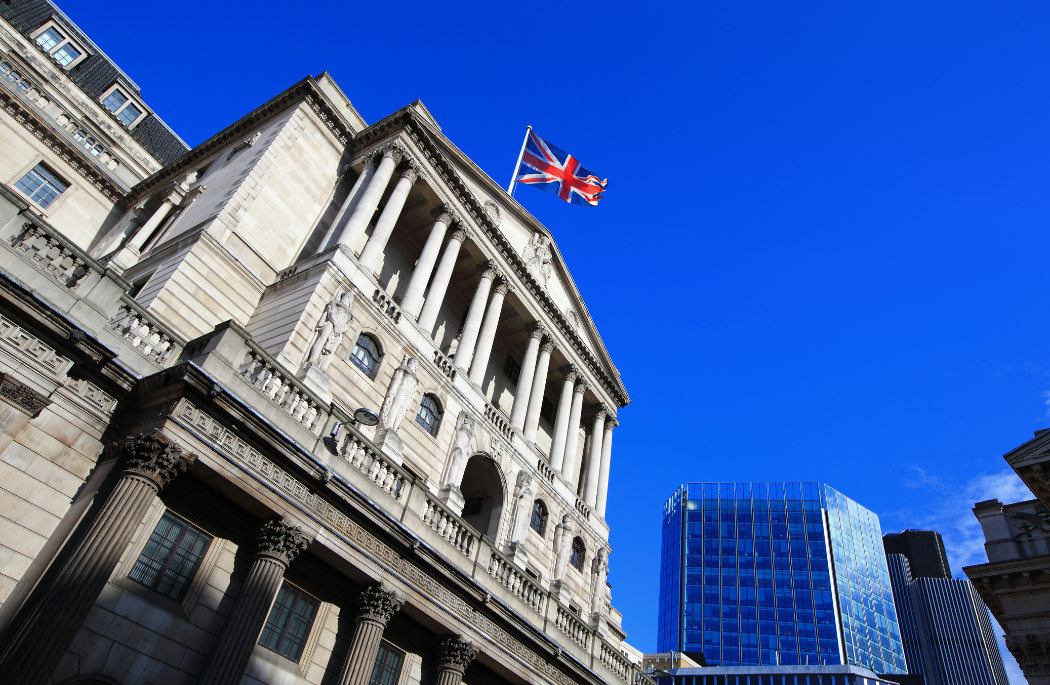
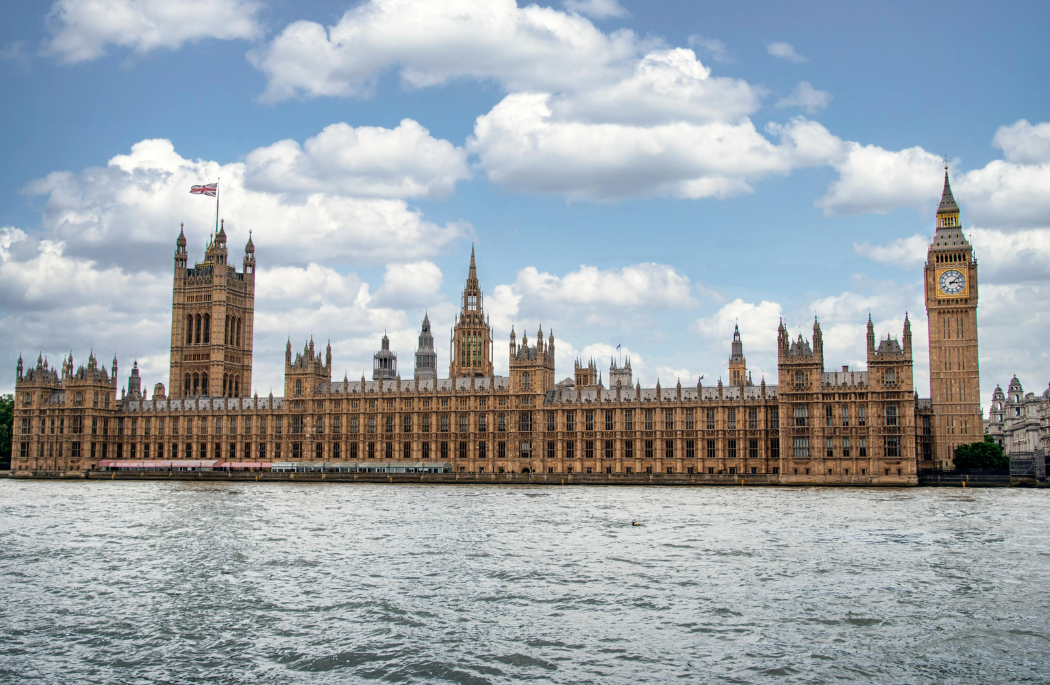
Before we dive deeper, we would like to start with the examples below. Both are homes that meet the essence of a house, namely providing a roof to shelter under. If I were to ask which property you would choose purely based on the images, you would probably go for the first one… But of course, what really matters is the purpose of the purchase and the level of investment required.


Investing in Real Estate in Spain or the United Kingdom: Which Market Fits Your Goals?
In this blog, we highlight not only market conditions and potential returns, but also practical considerations such as distance, language, and legal frameworks. In this way, we help you determine which market best aligns with your investment strategy — and why the United Kingdom, despite Spain’s exotic appeal, may be the smarter long-term choice.
1. Market Stability and Economy
The United Kingdom has proven itself over the years to be a robust and stable economy, even in challenging times. As one of the world’s largest financial centers, with London at its core, the property market remains a safe haven for investors. After the global financial crisis of 2008, the UK recovered relatively quickly, supported by strong domestic housing demand. Factors such as population growth and urbanization continue to drive demand for property, particularly in urban areas. Although Brexit initially created uncertainty, the real estate market has shown resilience, contributing to a stable investment climate.
This stability is reflected in:
- Solid legislation and regulation: The property market is well regulated, with clear ownership rights and reliable legal frameworks.
- Strong rental demand: Demand for rental properties remains high, especially in urban and university cities where the population continues to grow and affordable housing supply is limited.
- Long-term economic growth: Despite challenges such as the global pandemic and Brexit, the British economy has a history of recovery and growth.
In Spain, the impact of the 2008 crisis was far more severe, with the property market collapsing after a massive housing boom. The crisis led to an oversupply of homes and a sharp drop in demand, particularly in tourist regions. Property prices fell dramatically, and the recovery has been slow and uneven ever since. Spain remains highly dependent on tourism and foreign buyers, making the market vulnerable to external fluctuations. This makes the Spanish market less stable for investors seeking long-term returns and security. Between 2008 and 2013, property prices declined by more than 30%, and in some areas even more.
Key factors influencing the instability of the Spanish market during and after the crisis include:
- Oversupply of housing: The property bubble led to a huge surplus of homes, especially in tourist regions such as the Costa del Sol and Costa Blanca. When demand collapsed, many of these properties remained vacant or were sold at significant losses.
- Dependence on tourism and foreign investment: Spain is one of the world’s largest tourist destinations, and its property market heavily relies on foreign buyers seeking holiday homes.
- Slow recovery: Although the Spanish market has somewhat recovered in recent years, the recovery has been slower and less consistent than in the UK. The market remains sensitive to tourism trends and global economic conditions, exposing investors to greater risk.
Today, the Spanish property market is more attractive than immediately after the crisis, but it still carries a history of instability, particularly in the tourist property segment.
2. Property Regulations and Rental Law
In the United Kingdom, property regulations are clear and well structured, providing stability and predictability for investors. The legal system protects both ownership rights and the interests of landlords and tenants. Ownership structures such as freehold and leasehold are well regulated, ensuring investors clearly understand their rights and obligations.
In Spain, property regulations can be more complex and less uniform, as laws and rules vary by region. When purchasing property, especially in tourist or rural areas, investors may encounter complications such as incomplete permits or illegal extensions.
The UK rental market is strongly regulated, with agreements such as the Assured Shorthold Tenancy (AST) offering landlords flexibility while protecting tenants. In Spain, short-term rental regulations have become stricter in recent years, particularly in tourist areas such as Barcelona and the Balearic Islands, with variations between regions.
Regarding protection against non-payment, the UK provides clear legal frameworks for landlords to evict tenants when necessary. In Spain, tenant protections are less strict, giving landlords slightly more flexibility but also exposing them to regional differences in regulations.
The UK property purchase process is streamlined, with a clear conveyancing system and predictable taxes such as Stamp Duty Land Tax (SDLT). In Spain, the purchase process can be more complex due to regional tax differences and regulations, and rental income taxes are often higher, especially for non-residents.
3. Fiscal Advantages and Disadvantages
The British tax system is transparent and offers several benefits for both domestic and foreign property investors. When purchasing property in the UK, buyers pay Stamp Duty Land Tax (SDLT), a progressive tax depending on the purchase price. The UK also provides advantages for investors who own property through a limited company, potentially reducing the overall tax burden. SDLT is generally lower than comparable taxes in other European countries.
In Spain, the transfer tax (ITP) is significantly higher, ranging from 6% to 10% depending on the region. For new-build properties, 10% VAT applies, along with a 1.5% stamp duty.
In the UK, rental income is taxed as part of personal income, but various deductions are available, such as maintenance and management costs. Investing through a limited company offers additional benefits, including a lower corporate tax rate (19%) compared to the higher personal income tax rate (up to 45%). The same applies to capital gains tax, where companies pay 19% instead of the maximum personal rate of 28%.
In Spain, rental income for non-residents is taxed at a flat rate of 24%, without cost deductions, while EU citizens may benefit from lower rates and deductions. Investing through a Spanish Sociedad Limitada (S.L.) provides fiscal advantages, such as a 25% corporate tax rate and the ability to deduct business expenses. When selling property, capital gains tax may be lower for companies than for private investors.
Although Spain offers lower capital gains rates for EU citizens (19% instead of 24% for non-EU citizens), the broader tax base and limited deductions can result in a higher effective tax burden than in the UK.
4. Long-Term Returns
The United Kingdom offers stable and predictable long-term returns, driven by strong rental demand, sustained economic growth, and the need for social housing. Spain, on the other hand, offers potential for higher returns through short-term rentals in tourist areas. Spain is therefore more tourism-driven and seasonal, making it dependent on tourist trends.
5. Geopolitical Stability and Risks
The United Kingdom is known for its geopolitical stability, making it a safe haven for property investors. Despite challenges such as Brexit, the British property market has proven resilient. The economic structure and strong housing demand provide a stable investment climate, regardless of external factors.
Spain is generally stable, but its property market is more sensitive to external influences. The economy’s reliance on tourism and international buyers makes it more vulnerable to global fluctuations, such as economic crises or pandemics.
6. Accessibility and Financing Options
In the UK, access to financing is relatively straightforward for both domestic and foreign investors. Banks offer a wide range of mortgages and loans, often under favorable conditions. The strong financial sector makes it easier for investors to secure funding.
In Spain, obtaining financing is somewhat more complex, especially for non-residents. Spanish banks often require higher deposits (typically 30–40%) and may offer less favorable interest rates. The process can also be slower and more bureaucratic compared to the UK.
7. Tourism vs. Local Demand
Spain’s property market is largely dependent on tourism, particularly in coastal regions and tourist cities. Short-term rentals can be highly profitable during peak seasons but are sensitive to fluctuations in tourist numbers.
In contrast, the UK property market is primarily driven by local demand, such as housing for working professionals and students. Cities like London, Birmingham, and Manchester remain attractive for long-term rentals, with consistent housing demand.
8. Portfolio Diversification
The UK offers a broad range of diversification opportunities within the property market, including residential, commercial, social housing, and property development. Social housing, for example, often provides stable income supported by government structures.
In Spain, diversification is more limited, as many investments focus on tourist properties or second homes in coastal regions. This can restrict investors’ ability to spread risk across different property segments.
9. Practical Considerations: Language and Distance
For Dutch and other European investors, language is an important practical factor. In the UK, English is the primary language, making it easier to conduct business and understand legal documentation. In Spain, the language barrier can present challenges, especially in areas where English is less commonly spoken.
In terms of distance, the UK is relatively close to the Netherlands, with frequent and short flights. Spain is further away, requiring more time and planning for property visits and management.
10. Why Choose Spain as an Investor?
Spain remains a popular choice for investors seeking holiday homes or short-term rental opportunities. The attractive climate and relaxed lifestyle draw millions of tourists annually, creating opportunities for seasonal rental income. Property prices in certain regions can be lower than in the UK, lowering the entry threshold for investors.
11. Why Choose the United Kingdom as an Investor?
The United Kingdom offers greater stability and predictability for property investors. Strong rental demand ensures consistent income, regardless of seasonal fluctuations. The well-regulated market and tax advantages for investors using a limited company structure make it particularly attractive for long-term portfolio building.
For investors seeking long-term returns, portfolio growth, and reduced reliance on tourism trends, the UK provides a more stable and secure investment climate.