
In the Netherlands, investors have become accustomed to increasingly strict sustainability regulations. In the United Kingdom, energy performance requirements for residential properties are also becoming more important. The Energy Performance Certificate (EPC) is the central instrument in this regard. In this article, we explain what an EPC is, which rules currently apply, and what Dutch investors need to take into account.
What is an EPC?
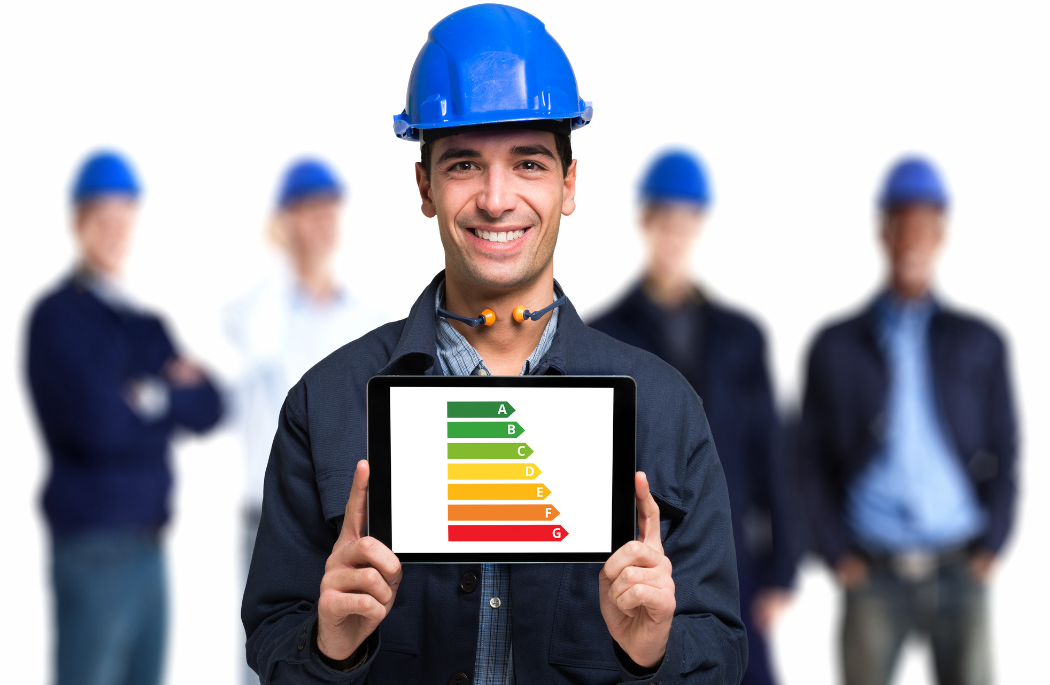
An EPC (Energy Performance Certificate) is the energy label of a home or building in the UK. The rating ranges from A (very energy efficient) to G (very poor) and provides insight into:
- Energy consumption
- Expected energy costs
- Potential improvement measures
An EPC is mandatory when renting out or selling a property and is valid for 10 years.
Current minimum requirements for rental properties
At present, rental properties in England and Wales must have at least an E rating. Properties with an F or G rating may not be rented out unless a valid exemption applies.
For investors, this means that a property with poor energy performance is often not immediately rentable and must first be improved.
Stricter rules toward 2030
The UK government has plans to tighten EPC requirements further:
- From 2025, the minimum requirement for new tenancy agreements was expected to increase to a C rating.
- For existing tenancies, a similar requirement is anticipated between 2028 and 2030.
Although implementation has been postponed several times, the trend is clear: the bar is being raised.
Implications for investors
- Value development – Properties with a high rating are more attractive and retain their value better.
- Financing – Banks and mortgage lenders are increasingly scrutinizing EPC scores.
- Rental income – A non-compliant property simply cannot be rented out.
- Renovation costs – Investments in insulation, double glazing, and efficient heating systems are often necessary.
How can you improve sustainability in older UK properties?
Many British homes are older and less well insulated than Dutch properties. However, there are effective measures available:
- Insulation: floors, roofs, and walls (cavity wall insulation is common in many regions).
- Windows: replacing single glazing with double glazing, or installing secondary glazing in listed buildings.
- Heating: replacing old gas heaters with efficient boilers or heat pumps.
- Ventilation: improved ventilation helps prevent damp and mold issues.
💡 Tip for investors: If you purchase a property that requires renovation, aim to upgrade it immediately to an EPC C rating. In many cases, this can be achieved with wall insulation, roof insulation, and a modern boiler with properly insulated pipework. This way, you are prepared for stricter regulations and avoid having to reinvest in a few years.
Tips to avoid problems
- Always check the EPC rating before purchasing.
- Calculate renovation costs including sustainability upgrades, not just cosmetic renovations.
- Look ahead: a property with an E rating may still be rentable now, but possibly not after 2028.
- Work with local experts: in many regions, grants or financing schemes are available for insulation and heating improvements.
Conclusion
For Dutch investors in UK property, EPC regulations are a factor that cannot be ignored. A property that complies today may no longer be rentable tomorrow. By responding strategically to sustainability requirements, you not only increase rental viability but also enhance the value of your investment.